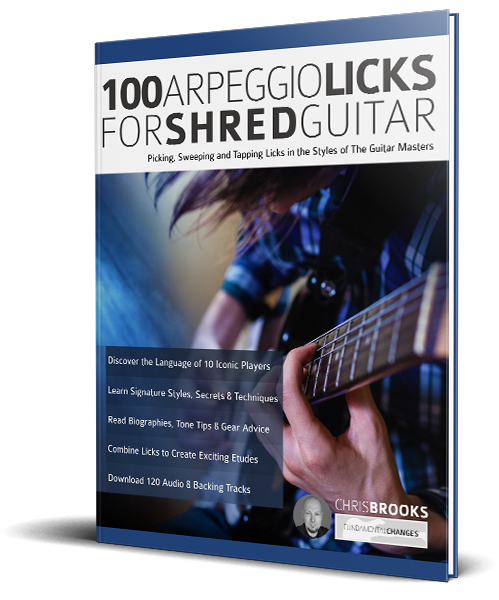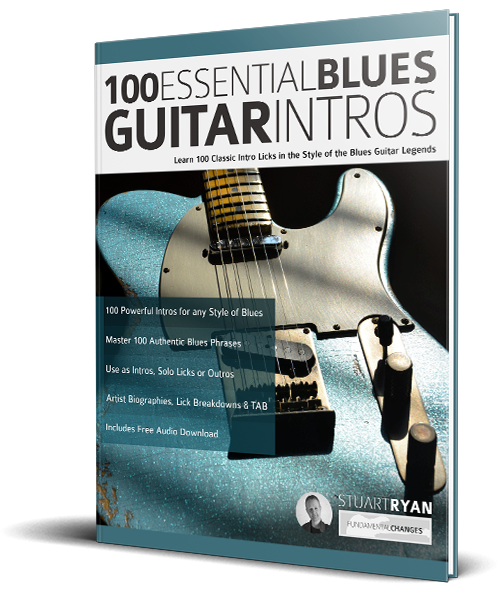




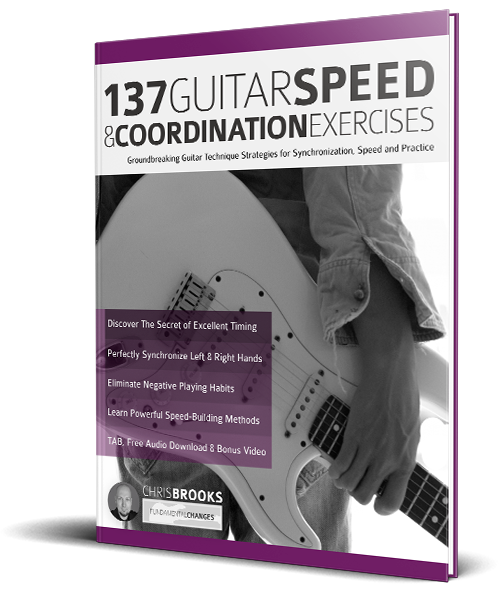
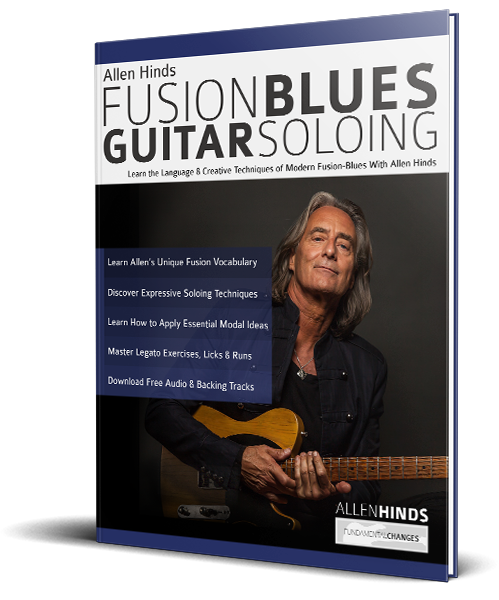


Thank you for taking part and congratulations to all the competition winners.
The competition winners, who have been randomly selected are:
Thank you for taking part and congratulations to all the competition winners.
The competition winners, who have been randomly selected are:
The way to name chords on guitar can be a bit subjective, although the system that is taught in most universities and music schools revolves around whether the chord we are naming contains a 7th, and to a lesser extent, a third.
If a chord does not contain a 7th, then extensions are generally referred to by using the word ‘add’ in the name.
As guitarists, we know how important it is to have a secure and varied vocabulary of chord voicings under our fingers in order to make the gig, come up with a cool reharmonization or write an interesting chord progression for our next song.Today’s lesson will dramatically advance your jazz chord playing.
While we know that it is important to have a strong command of harmony on the guitar, we often don’t know where to start, or feel that we need to learn a ton of hard to play and tricky chord fingerings in order to accomplish this goal in our chord playing. Continue reading
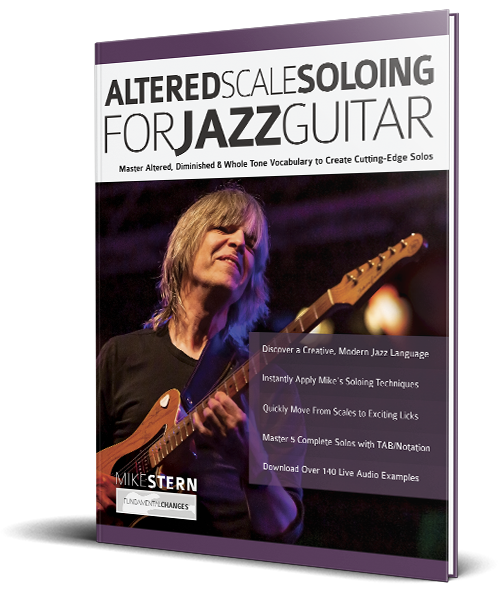
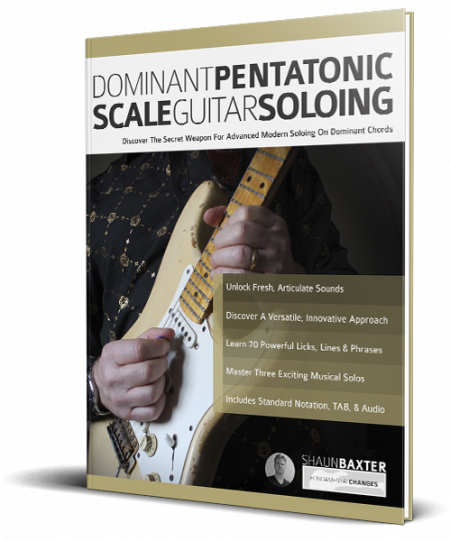
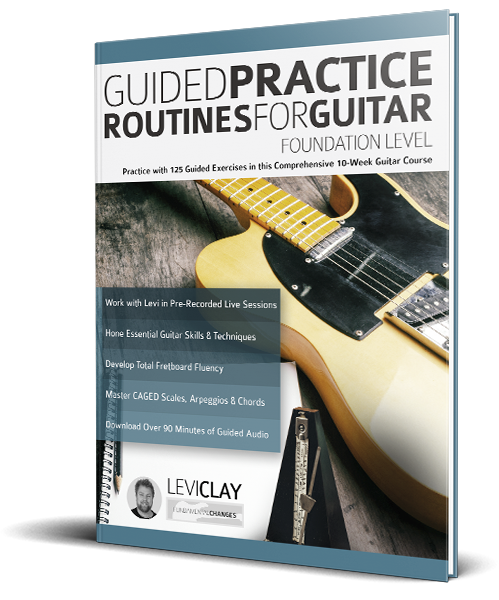
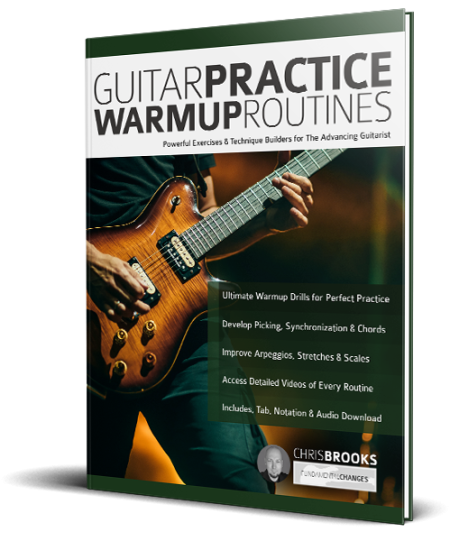
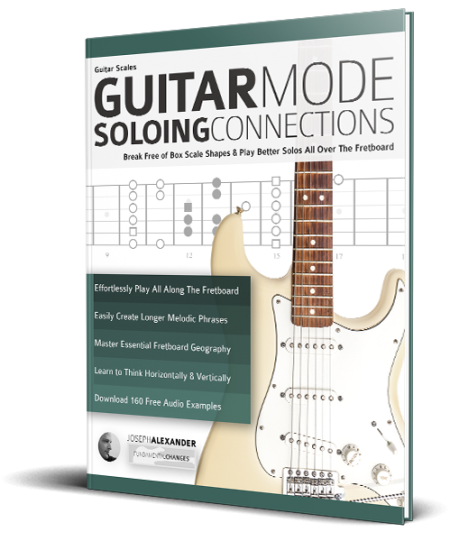
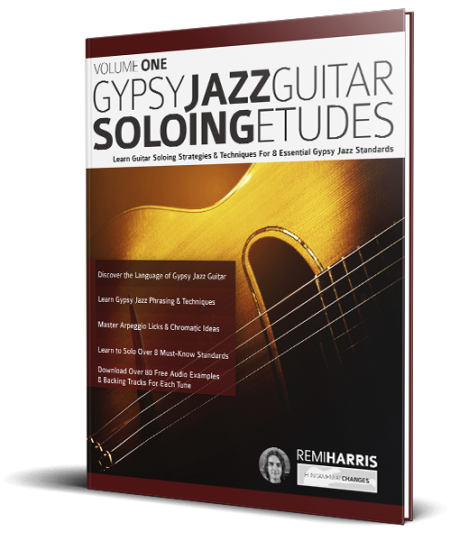
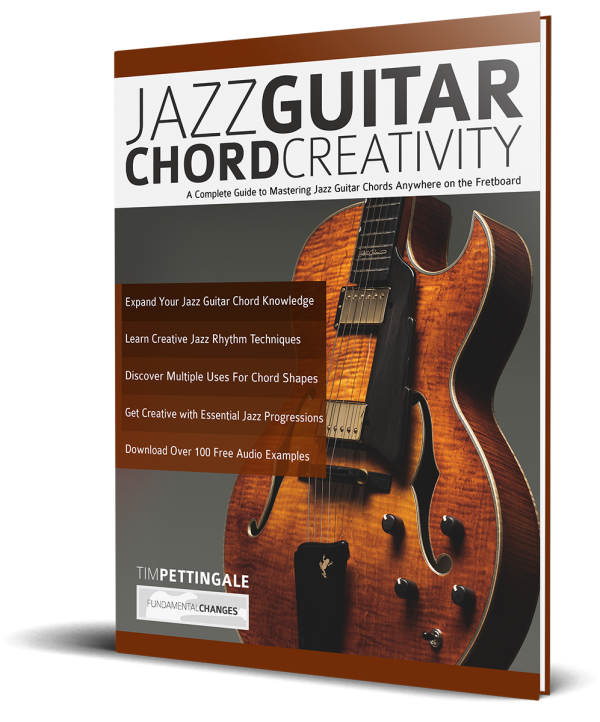
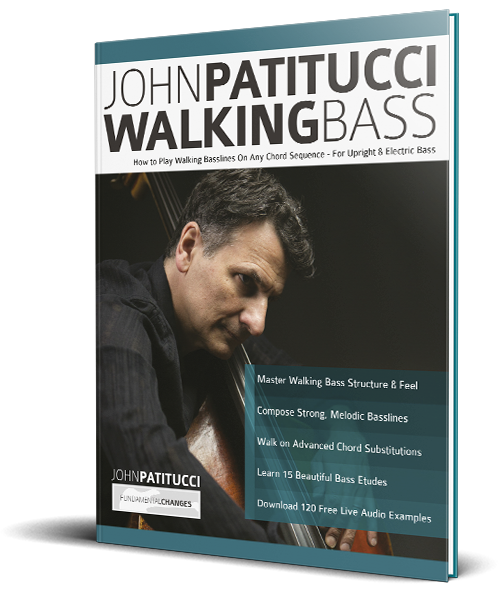
To celebrate passing 1000 ‘likes’ on Facebook, Fundamental Changes are giving away the following products, lessons and resources completely for free. All you have to do to enter is Comment in the box below to be entered into the draw to win these great prizes. To DOUBLE your chances of winning, ALSO SHARE this page on Facebook or Google+ as well as commenting below!
From Joseph Alexander:
PDF copies of his Amazon Best-selling books:

I’m very excited to announce that book, ‘The Practical Guide to Modern Music Theory for Guitarists’ was released today and stormed into Amazon’s best seller chart for Kindle in the US and UK.
The books is competitively priced at under $8 and contains over 2.5 hours of audio examples and backing tracks. There are over 200 individual notated examples demonstrating everything from basic major scale construction and harmonisation, to advance soloing substitutions for every major mode.
The book is designed to take you from basic first principles all the way through to more advance concepts, such as minor Pentatonic substitution, diatonic arpeggios and much more.
The emphasis is on putting ideas into practice. You can hear each and every theoretical concept demonstrated on the accompanying audio files (available for free download) and quickly learn to incorporate the new ideas into your playing.
The extensive chapter titles include (among many others!) such topics as:
What is a Scale?
The Circle of 5ths
Relative Minor Keys
Harmonising the Major Scale
The Roman Numeral System
Chords from Outside the Key
Extensions
How to Name Chords
What is a Mode?
And for every mode:
Typical Chord Progressions
5 Useful Licks
Soloing Approaches to the Mode
2-Note Intervals
3-Note Triads
4-Note Arpeggios
5-Note Pentatonic Scales
First Choice Soloing Summary for the Mode
In all there are over 100 pages of clear, concisely written music theory that will make you a better player. Why not check it out today?
Buy from Amazon in Paperback or for Kindle, PC and iPad (£4.89 / $7.57):
Or buy as a PDF by direct download for $9.99:
Plectrums are quite tricky to get used to at first, and how to hold a guitar pick is one of the most common problems to correct with new students, especially adults who have been playing a while.